
Marriage Against Daily Misery
Love in the Time of CholeraThis flow reframes Fermina Daza and Juvenal Urbino’s marriage through the ordinary conflicts that both threaten and sustain it.
increasing Bearing strength in each event
 decreasing
Bearing strength in each eventdecreasingThe Missing Soap
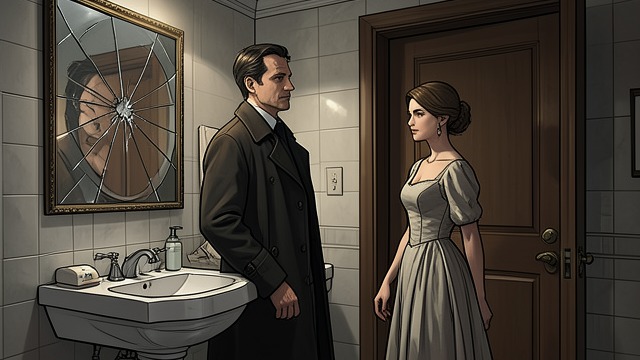
The Missing Soap
A small dispute
Juvenal Urbino complains that there has been no soap in the bathroom, and Fermina Daza answers by insisting she has bathed every day.
A domestic rupture
A minor accusation grows into months of separation because each refuses to admit a different kind of fault.
Silence at the Table
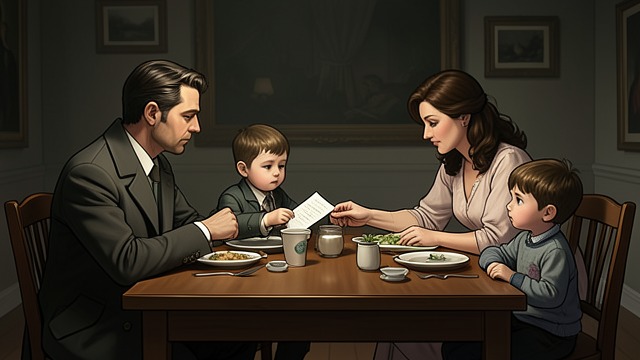
Silence at the Table
Conflict managed indirectly
Fermina Daza and Juvenal Urbino stop speaking but continue family life through messages passed by their children.
Pride contained
Their silence is both punishment and protection, preventing a small fight from becoming a permanent departure.
The Shared Bed
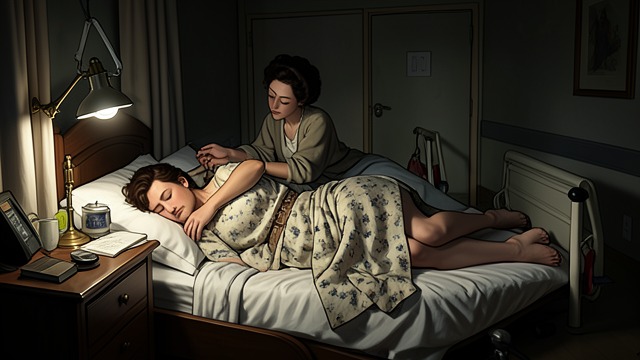
The Shared Bed
An admission offered
Juvenal Urbino falls asleep in the marital bed and asks to stay, finally conceding that there was soap.
A repair without triumph
Fermina Daza lets him remain, and their reunion demonstrates that everyday peace depends on concessions rather than victory.
Care in Old Age
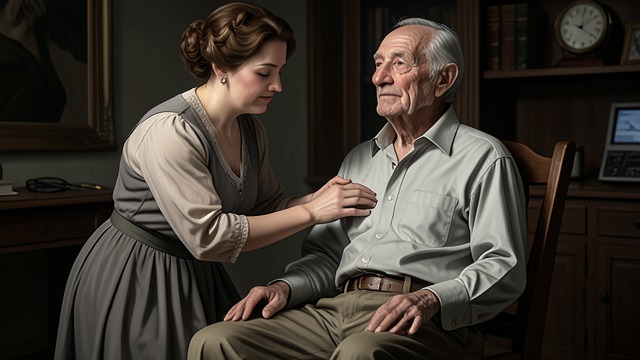
Care in Old Age
Roles change
Fermina Daza helps Juvenal Urbino bathe, dress, and manage the physical frailty he once concealed.
Affection through labor
The care is intimate and sometimes exasperating, showing how marriage becomes a set of daily acts rather than a permanent feeling.
The Last Goodbye
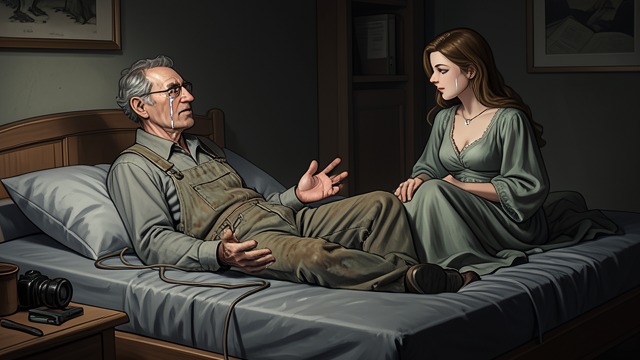
The Last Goodbye
Love spoken plainly
Juvenal Urbino uses his last breath to tell Fermina Daza how much he loved her.
An unfinished life
His death leaves her grieving not only the man but the ordinary future their shared habits had sustained.
During the first thirty years of marriage
During the soap quarrel
Several months after the dispute begins
During Juvenal’s final years
After Juvenal’s fall
